
Workplace safety is directly connected to operational performance, workforce reliability, and project timelines. Organizations across construction, manufacturing, logistics, and industrial sectors increasingly recognize that investing in structured safety oversight supports measurable productivity outcomes. When businesses integrate professional safety personnel into daily operations, they often experience fewer disruptions, stronger compliance performance, and improved workforce confidence.
Modern organizations rely on specialized safety staffing services to maintain consistent safety oversight while keeping projects moving forward. Providers such as Progressive Safety help organizations maintain regulatory compliance while supporting operational continuity through qualified safety professionals embedded directly into jobsite operations. According to industry service descriptions, on-site safety professionals help identify hazards, conduct assessments, and implement corrective actions that help maintain safe and productive work environments.
In addition to regulatory compliance, professional safety staffing supports workforce stability, improves incident response readiness, and contributes to long term operational resilience. This article explains how safety staffing contributes to productivity, reduces downtime risk, and strengthens overall organizational performance.
The relationship between workplace safety and operational productivity
Organizations often view safety and productivity as separate goals. They are deeply connected. A safe work environment reduces interruptions, supports workforce confidence, and improves workflow consistency.
Professional safety oversight helps organizations maintain continuous production cycles by identifying risks before they become incidents. When companies partner with Progressive Safety, safety professionals integrate directly into operations to oversee training, inspections, and daily compliance activities that help maintain stable working conditions.
How Safety Culture Directly Impacts Jobsite Productivity
Strong safety culture influences employee behavior, communication quality, and risk awareness across all operational levels. When workers feel protected and supported, they are more likely to follow procedures, report hazards, and maintain operational focus.
Organizations implementing structured injury prevention programs often see improvements in workforce consistency. When hazards are controlled proactively, teams spend less time managing incidents and more time completing core operational tasks. Safety professionals also help maintain compliance with OSHA and site-specific regulations while minimizing operational disruptions.
What professional safety staffing involves
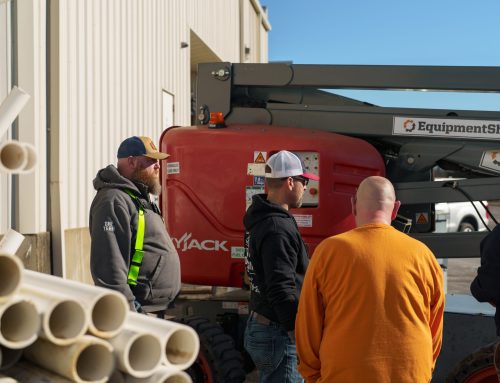
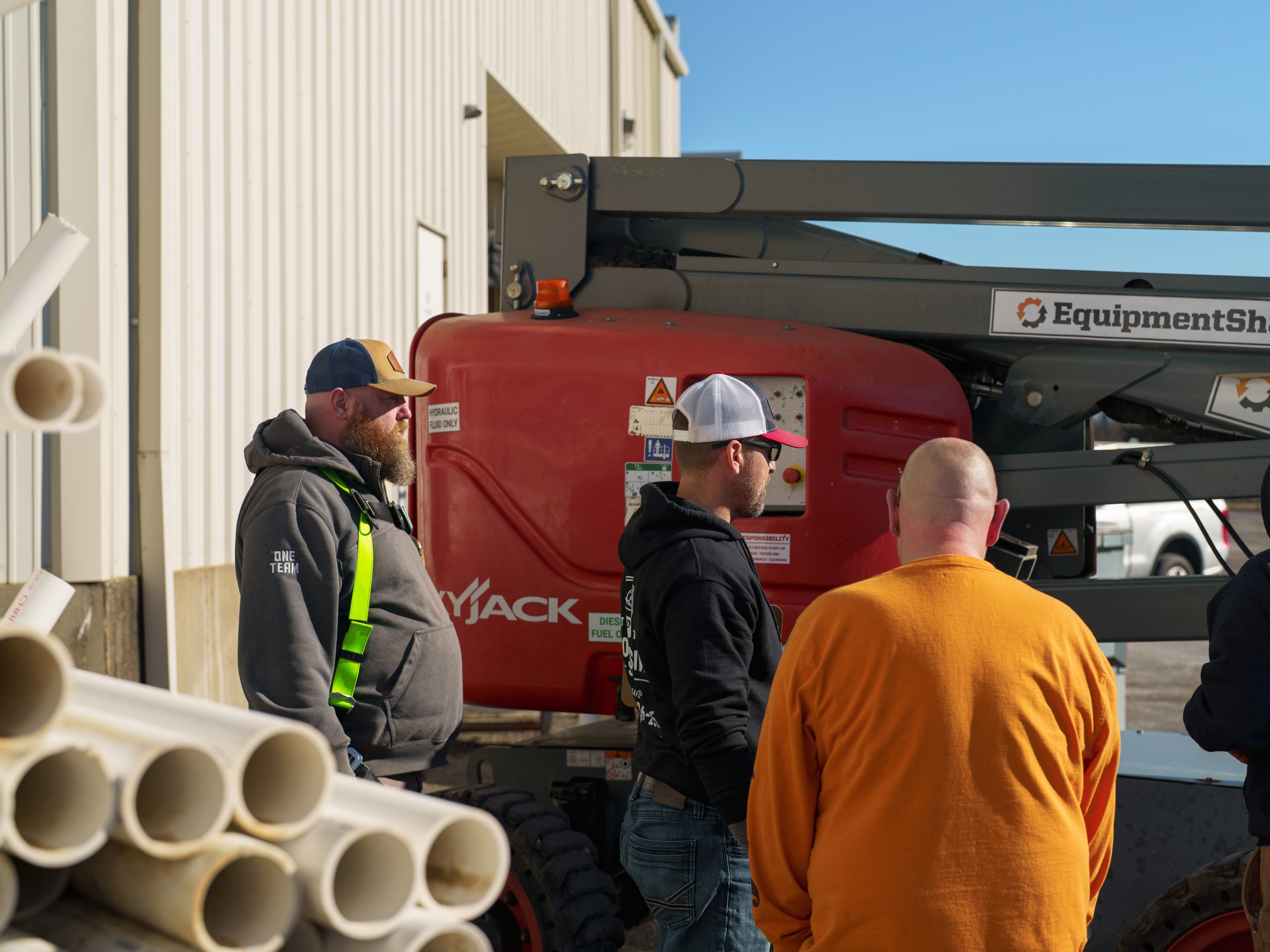
Professional safety staffing typically includes certified safety professionals working directly at project sites. These experts focus on hazard identification, compliance monitoring, training, and incident prevention strategies tailored to industry-specific risks.
Through structured safety staffing services, organizations can access credentialed safety professionals for both temporary and long-term operational support. These professionals are typically trained in industry-specific risk management, regulatory compliance, and workforce safety engagement.
Core Responsibilities of On-Site Safety Professionals
Professional safety staff provide structured oversight that supports both compliance and productivity. Their daily responsibilities often include:
- Conducting hazard assessments and safety walkthroughs
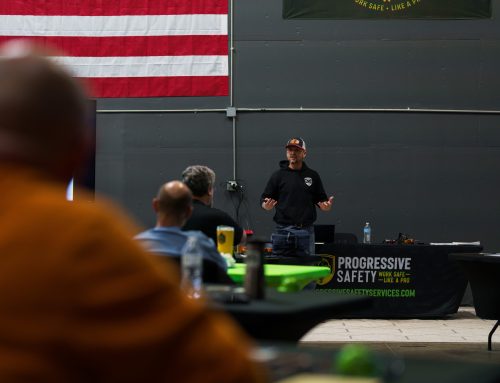
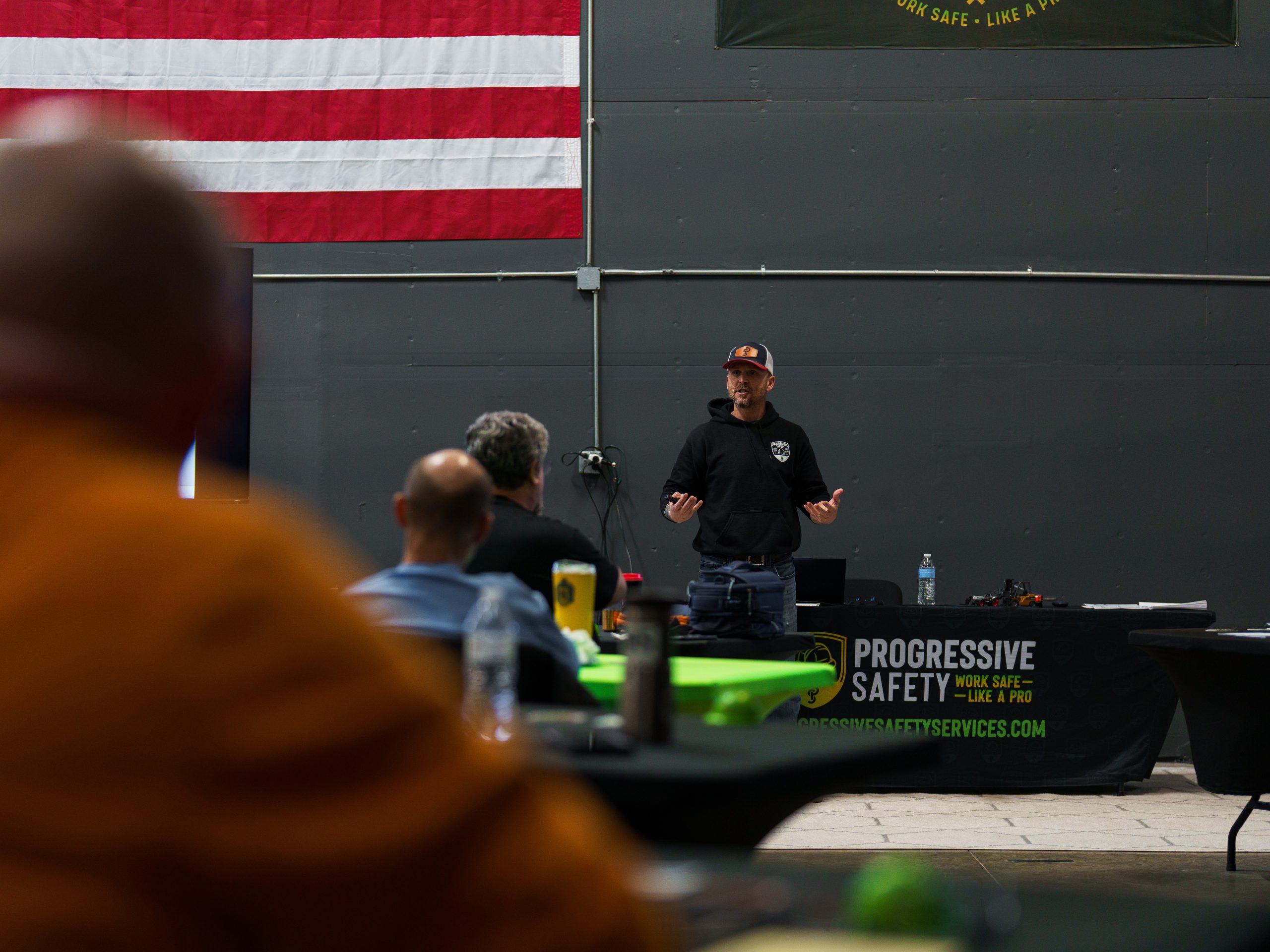
- Delivering safety training and compliance guidance
- Supporting incident investigation and root cause analysis
- Monitoring PPE compliance and safe work procedures
- Supporting documentation and regulatory reporting
Safety staffing providers vet professionals through screening, background checks, and continuous training to ensure consistent performance standards across projects.

How Safety Staffing Reduces Downtime
Downtime is often caused by safety incidents, regulatory violations, equipment damage, or workforce disruption. Professional safety staffing helps prevent these events through continuous monitoring and proactive risk mitigation.
When organizations partner with Progressive Safety, safety professionals help identify operational risks early and implement corrective strategies before they impact production timelines.
Incident Prevention and Early Hazard Identification
Early hazard identification prevents minor risks from escalating into major operational disruptions. Safety professionals continuously monitor worksites and help teams correct unsafe conditions immediately.
This proactive approach helps reduce lost time incidents and supports operational continuity. In high risk industries such as manufacturing and chemical processing, safety staffing supports compliance with complex regulatory requirements while helping maintain production uptime.
The Role of Injury Prevention Programs in Productivity
Injury prevention programs provide structured frameworks for hazard identification, employee training, and risk reduction. These programs are most effective when implemented alongside professional safety staffing.
Organizations working with Progressive Safety often implement customized safety plans tailored to site specific risks and operational workflows. This customized approach ensures safety measures support operational performance rather than slow it down.
Key Impacts on Productivity
- Reduction in Absenteeism & Turnover: Proactive safety measures reduce injuries that cause employees to miss work, ensuring a steady, experienced workforce.
- Reduced “Presenteeism” & Improved Efficiency: Employees who are not working with pain or discomfort, due to better ergonomics and training, are more focused and efficient.
- Lowered Operational Costs: By reducing injuries, companies save on medical expenses, workers’ compensation insurance premiums, and the costs of hiring/training replacement staff.
- Improved Safety Culture & Morale: Implementing these programs demonstrates a commitment to employee well-being, which increases job satisfaction, morale, and engagement, leading to better performance.
- Optimized Workflows: Fewer accidents mean fewer, disruptions, allowing for uninterrupted production or service delivery.
Safety Performance Improvement Through Professional Staffing
Safety performance improvement requires consistent monitoring, employee engagement, and data driven decision making. Professional safety staff support these outcomes by providing structured oversight and performance tracking.
Through comprehensive safety performance improvement initiatives, organizations can measure safety metrics, identify trends, and adjust operational procedures accordingly.
Data Driven Safety Performance Monitoring
Safety professionals help track leading and lagging safety indicators. These metrics help organizations identify risk patterns before incidents occur.
Organizations working with Progressive Safety benefit from experienced safety professionals who understand industry specific hazards and compliance requirements. These professionals help maintain consistent safety documentation, training compliance, and operational risk monitoring across multiple shifts and locations.
Industries That Benefit Most from Safety Staffing
Safety staffing provides value across many industries, especially those with high operational risk or regulatory complexity.
Through nationwide staffing solutions, Progressive Safety supports industries ranging from construction to healthcare and energy production.
High Risk Industries Supported by Safety Staffing
Industries that commonly benefit include:
- Construction and infrastructure development
- Manufacturing and industrial processing
- Energy, oil, and gas operations
- Logistics and warehousing
- Healthcare and laboratory environments
These industries rely on embedded safety professionals to maintain regulatory compliance and operational continuity across complex environments.
The Financial Impact of Safety Staffing
Safety incidents create direct and indirect costs, including lost production time, medical expenses, equipment damage, and regulatory penalties. Professional safety staffing helps reduce these costs through proactive risk management.
- Reduced Direct Costs: Lower worker’s compensation claims, decreased insurance premiums, and fewer medical expenses.
- Mitigation of Penalties: Compliance with safety regulations prevents costly fines from agencies like OSHA.
- Increased Productivity: Fewer accidents and injuries lead to reduced downtime and uninterrupted workflow.
- Lower Turnover: A safe environment improves employee morale and retention, reducing the high costs of recruiting and training new staff.
- Enhanced Reputation: A strong safety record builds brand loyalty and attracts clients, investors, and top talent.
Safety Staffing vs Reactive Safety Management
| Factor | Professional Safety Staffing | Reactive Safety Approach |
|---|---|---|
| Risk Management | Proactive hazard identification | Responds after incidents occur |
| Downtime Risk | Lower due to prevention strategies | Higher due to incident response |
| Compliance Performance | Continuous monitoring | Periodic compliance checks |
| Workforce Confidence | Higher due to visible safety support | Lower due to inconsistent oversight |
| Productivity Impact | Supports continuous operations | Often disrupted by incidents |
Integrating Safety Staffing Into Existing Operations
Successful safety staffing integration requires clear communication, defined responsibilities, and operational alignment.
Organizations often begin by conducting site risk assessments and identifying areas where safety professionals can provide immediate value.
Steps to Implement Safety Staffing Successfully
Common implementation steps include:
- Site safety needs assessment
- Safety professional role definition
- Integration with site leadership
- Workforce communication and training
- Continuous performance monitoring
Organizations can learn more about implementation options through safety staffing services designed for flexible project based or long-term support.
Why Organizations Partner with Professional Safety Providers
Companies partner with safety staffing providers to access specialized expertise, maintain compliance, and support workforce stability without expanding internal overhead.
Through jobsite productivity focused safety strategies, organizations can align safety initiatives with production performance goals.
Key reasons for partnering with professional safety providers include:
1. Expertise and Specialized Knowledge
- Access to Experts: Safety providers have deep, up-to-date knowledge of evolving industry standards, best practices, and regulations like OSHA or ISO 45001.
- Unbiased Perspective: External professionals offer fresh, objective assessments of the workplace, identifying hazards that internal staff might miss due to familiarity.
- Tailored Solutions: They provide customized safety programs, risk assessments, and training tailored to specific industry needs.
2. Risk Mitigation and Regulatory Compliance
- Reducing Liability: By proactive hazard identification and incident investigation, they help minimize accidents, injuries, and workers’ compensation claims.
- Compliance Management: They ensure operations adhere to complex, changing legal requirements, helping avoid heavy fines and reputational damage.
- Emergency Response: They develop and implement emergency preparedness and crisis management plans.
3. Financial and Operational Efficiency
- Cost-Effectiveness: Outsourcing eliminates the high costs of hiring, training, and retaining full-time in-house safety staff.
- Flexibility and Scalability: Providers offer services on an as-needed basis, allowing companies to scale up safety support up or down based on operational fluctuations.
- Focus on Core Business: By delegating complex, time-consuming safety functions, including compliance education through EHS Safety Training Tulsa, company leadership can focus on primary business operations.
4. Safety Culture and Technology
- Enhanced Employee Confidence: A visible commitment to safety improves employee morale, trust, and productivity.
- Access to Technology: Safety partners often provide advanced tools, such as AI-driven risk assessments, IoT monitoring devices, and safety management software.
- Improved Training: They deliver specialized training, including on-site, in-person, and hybrid courses to keep workers informed.
5. Improved Vendor Management
- Contractor Compliance: Safety partners assist in vetting contractors to ensure they meet safety standards, protecting the hiring organization from third-party liability.
The Role of Leadership in Safety Performance Improvement
Leadership engagement is critical to safety program success. Safety professionals work with leadership teams to ensure safety expectations align with operational goals.
Organizations working with Progressive Safety often integrate safety performance metrics into overall business performance dashboards.
Leadership Strategies That Improve Safety Outcomes
Effective leadership strategies often include:
- Visible safety commitment
- Regular safety communication
- Safety performance tracking
- Continuous improvement initiatives
- Workforce engagement programs
How Safety Staffing Supports Long Term Organizational Growth
Safety staffing supports long term growth by reducing operational risk and improving workforce reliability.
Organizations that maintain strong safety performance often experience better project predictability and stronger workforce retention.
Long Term Benefits of Safety Staffing Investment
Long term advantages include:
- Improved workforce morale
- Stronger compliance performance
- Reduced incident frequency
- Better project predictability
- Stronger industry reputation
Choosing the Right Safety Staffing Provider
Selecting the right provider requires evaluating experience, certifications, and industry knowledge.
Organizations often evaluate safety staffing providers based on workforce training standards, regulatory knowledge, and industry specific expertise.
Key Factors for Selecting a Safety Staffing Provider
- Industry-Specific Expertise: Ensure the provider understands your specific sector’s risks, whether it is construction, oil & gas, or manufacturing.
- Credential Verification: Confirm candidates hold required certifications such as CSP, CHST, or OSHA-authorized trainer credentials,
- Vetting and Training Process: A reliable safety staffing Kansas City firm conducts thorough background checks, drug tests, and provides site-specific safety training or inductions.
- Legal Compliance: Verify that the agency complies with local labor laws, insurance, and safety regulations to minimize your legal risk,
- Scalability and Flexibility: The provider should offer varied staffing models, including short-term, long-term, and contract-to-hire,.
- Reputation and References: Review client testimonials and check industry reputation
Conclusion
Professional safety staffing plays a critical role in supporting productivity, workforce reliability, and operational continuity. Organizations that invest in structured safety oversight often experience fewer incidents, lower downtime risk, and stronger regulatory compliance performance.
By working with experienced providers like Progressive Safety, organizations gain access to trained safety professionals who help support safe operations, consistent productivity, and long-term workforce stability. Safety staffing helps transform safety from a compliance requirement into a strategic operational advantage.
Organizations interested in improving safety outcomes and productivity can explore structured staffing solutions and connect through contact with us resources to discuss project specific requirements.
Frequently Asked Questions
1. How do safety staffing services improve productivity?
Safety staffing services help reduce incidents, maintain compliance, and support consistent workflow. When safety risks are managed proactively, operations experience fewer disruptions and more stable production timelines.
2. What industries benefit most from safety staffing?
Industries with higher operational risks benefit most, including construction, manufacturing, energy, logistics, and industrial processing environments.
3. Can safety staffing help reduce operational downtime?
Yes. Safety professionals identify hazards early, implement prevention strategies, and support workforce training, which helps reduce incident related downtime.
4. Are safety staffing services suitable for short-term projects?
Yes. Many providers offer flexible project-based staffing options alongside long-term workforce integration support.
5. How can companies get started with safety staffing?
Companies typically begin with site assessments and safety program evaluations.