Construction sites are dynamic environments where risks change daily. Heavy equipment, multiple trades, evolving site conditions, and strict regulatory requirements all contribute to the complexity of managing safety effectively. While some projects operate with limited or part-time oversight, others reach a point where continuous supervision becomes essential.
Recognizing when your project requires full-time safety coverage is critical to maintaining worker safety, regulatory compliance, and operational efficiency. Many contractors begin evaluating on-site safety staffing Kansas City solutions after experiencing safety gaps, recurring incidents, or increasing compliance pressure.
This article explores the most common signs that indicate a construction site may benefit from dedicated, full-time safety oversight and explains how structured safety staffing supports safer and more consistent jobsite operations.
Progressive Safety works with construction teams to address these challenges through informed safety planning, qualified on-site professionals, and adaptable staffing solutions.
What Is a Full Time Safety Coverage?
Full-time safety coverage refers to having a qualified safety professional present on the construction site during all active work hours. This role goes beyond periodic inspections and focuses on continuous monitoring, hazard identification, safety communication, and compliance support.
A full-time safety professional typically:
- Observes daily work activities
- Identifies and mitigates hazards in real time
- Conducts toolbox talks and safety briefings
- Coordinates safety efforts across trades
- Supports incident reporting and documentation
For many projects, especially those with higher risk profiles, continuous oversight provides a level of consistency that part-time models cannot achieve.
Why Construction Safety Needs Increase Over Time
As construction projects progress, safety demands often grow rather than diminish. Early phases may involve limited crews and defined scopes, but later stages introduce overlapping trades, tighter schedules, and increased pressure to meet deadlines.
These conditions can strain existing safety processes. Contractors searching for construction safety consulting near me often do so after realizing their current safety approach is no longer aligned with the realities of the jobsite.
Signs Your Construction Site Needs Full-Time Safety Coverage
A pattern of recurring incidents or near misses shows your current safety measures are no longer enough, and that continuous, on-site oversight is needed to prevent more serious harm. When the same types of issues keep appearing in reports, inspections, or daily observations, it often signals deeper gaps in supervision, training, or procedure that cannot be solved with occasional audits or toolbox talks alone.
Repeated Safety Incidents or Near Misses
Frequent incidents or near misses are one of the clearest indicators that existing safety controls are insufficient. While near misses may not result in injury, they signal underlying issues such as inadequate supervision, inconsistent procedures, or unrecognized hazards.
Implementing full-time safety coverage allows hazards to be identified and addressed before they escalate into recordable incidents or serious injuries.
High-Risk Construction Activities
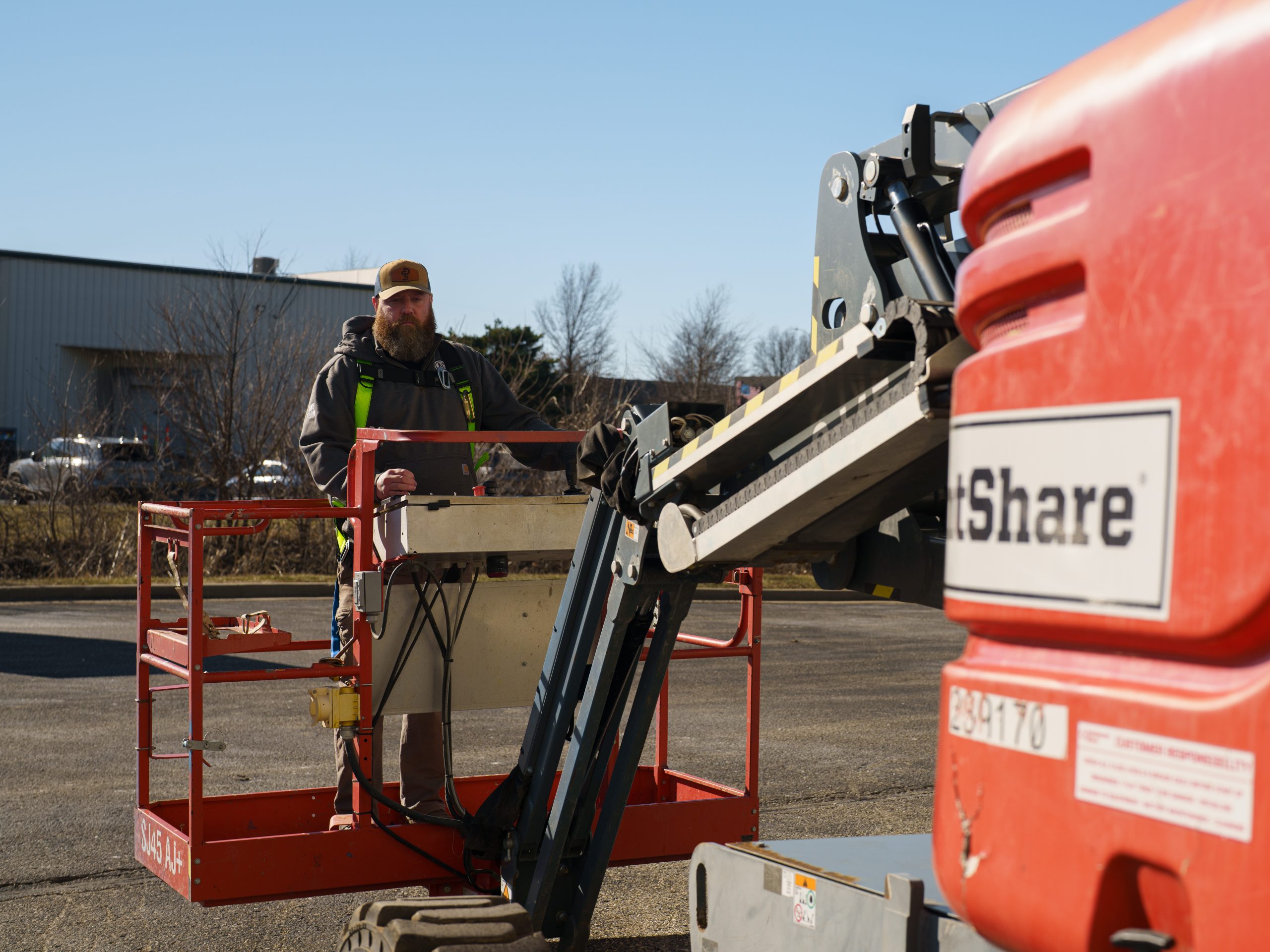
Certain tasks significantly increase the risk profile of a project, including:
- Working at heights
- Crane and rigging operations
- Excavation and trenching
- Confined space entry
- Electrical and hot work
Projects involving these activities often benefit from continuous oversight. Many contractors turn to on-site safety staffing Kansas City providers when high-risk operations become a daily part of site activity.
Multiple Subcontractors and Trades
When several subcontractors work simultaneously, coordinating safety expectations becomes more complex. Each trade may follow different procedures, creating potential conflicts or gaps in safety practices.
Full-time safety coverage helps ensure consistent enforcement of site-specific rules and clear communication across all crews. A dedicated safety professional acts as a central point of coordination, reducing confusion and improving accountability.
OSHA Compliance Challenges
OSHA compliance requires more than occasional audits. Daily practices, documentation, and training must align with regulatory expectations. If your site has experienced citations, warnings, or inspections, it may indicate the need for increased oversight.
Many companies seeking construction safety consulting near me are responding to compliance concerns that require ongoing, rather than reactive, safety management.
Rapidly Changing Site Conditions
Construction sites evolve constantly. Access routes change, new equipment arrives, and work zones shift. Without continuous monitoring, new hazards can go unnoticed.
With full-time safety coverage, changes in site conditions are assessed as they occur, allowing corrective actions to be implemented immediately rather than after an incident.
Inconsistent Safety Training and Enforcement
Safety programs are only effective when they are applied consistently. If training varies by supervisor or enforcement is inconsistent, workers may receive mixed messages about expectations.
A dedicated safety professional provides uniform training, conducts regular toolbox talks, and reinforces safe work practices across the entire site.
Increased Schedule Pressure
Compressed schedules often lead to rushed work and shortcuts. When productivity pressures rise, safety practices can be compromised.
Full-time safety coverage helps balance productivity with risk management by monitoring work pace, addressing fatigue, and reinforcing safe behaviors even under tight deadlines. Secure your site with full-time safety coverage—reach out today to learn more!
How Full-Time Safety Coverage Supports Construction Projects
Full-time safety coverage strengthens construction projects by embedding a dedicated safety professional into day-to-day operations, supporting hazard control, coordination, and compliance from pre-task planning through project closeout. With a consistent safety presence, teams receive real-time guidance during high-risk activities, more effective pre-task planning, and ongoing verification that procedures match what is actually happening in the field. This continual involvement helps reduce disruptions, supports smoother coordination between trades, and keeps safety aligned with productivity goals as the project evolves.
Continuous Hazard Identification: Having a safety professional on-site throughout the day allows for proactive hazard identification. This real-time approach reduces reliance on after-the-fact corrections and supports safer decision-making.
Immediate Response to Safety Issues: When hazards or incidents occur, immediate response is critical. Full-time safety coverage ensures that corrective actions are taken quickly, minimizing downtime and reducing the potential for escalation.
Improved Communication Across the Jobsite: Dedicated safety staff facilitate communication between management, supervisors, and workers. Clear communication reduces misunderstandings and helps ensure that safety expectations are understood by everyone on site.
Accurate Documentation and Reporting: Proper documentation is essential for compliance and accountability. Full-time safety professionals support inspection logs, incident reports, and corrective action tracking, ensuring records are accurate and up to date.
Comparing Part-Time and Full-Time Safety Oversight
| Aspect | Part-Time Safety Oversight | Full-Time Safety Coverage |
|---|---|---|
| On-site presence | Periodic | Continuous |
| Hazard response | Delayed | Immediate |
| Compliance monitoring | Reactive | Proactive |
| Training consistency | Limited | Ongoing |
| Risk visibility | Partial | Comprehensive |
This comparison illustrates why many growing projects transition to full-time safety models.
When Safety Staffing Becomes a Strategic Choice
Choosing full-time safety coverage is not solely about meeting regulatory requirements. It is also a strategic decision that supports long-term workforce safety, project stability, and risk reduction.
Contractors evaluating safety staffing solutions Kansas City often consider how safety oversight aligns with broader operational goals, including workforce retention and schedule reliability.
Progressive Safety supports these decisions by offering structured safety staffing approaches that adapt to project size, duration, and risk level.
Integrating Safety Staffing into Project Planning
Effective safety oversight begins during the planning phase. Early involvement of safety professionals helps identify potential risks and integrate controls into site layouts, schedules, and workflows.
Construction teams that utilize professional safety staffing benefit from smoother transitions between project phases and fewer disruptions caused by unaddressed hazards.
Learn more about structured safety support through on-site safety staffing Kansas City services designed to align with evolving project needs.
The Value of Local Safety Expertise
Local knowledge plays a significant role in effective safety management. Understanding regional regulations, common site conditions, and workforce dynamics helps safety professionals provide practical guidance that aligns with real-world jobsite challenges rather than generic safety models.
Safety professionals with local experience are often familiar with regional OSHA enforcement trends, inspection priorities, and documentation expectations. This awareness allows construction teams to address compliance requirements proactively instead of reacting after issues arise.
For companies seeking construction safety consulting near me, working with providers familiar with local requirements supports smoother compliance, fewer misunderstandings, and more effective coordination with project stakeholders.
Supporting a Stronger Safety Culture
Consistent safety oversight contributes to a workplace culture where safety is viewed as a shared responsibility rather than a set of rules imposed from outside. When safety professionals are present daily, safety expectations become part of routine operations instead of occasional reminders.
Workers are more likely to report hazards, ask questions, and follow procedures when they know safety support is always available on-site. This open communication helps identify issues early and reduces the likelihood of unreported risks.
Over time, full-time safety coverage can lead to improved morale by demonstrating that worker well-being is a priority. Employees who feel protected and supported are more likely to remain engaged, which can contribute to reduced turnover and greater workforce stability.
Conclusion
Understanding the signs that your construction site needs full-time safety coverage allows you to address risks before they result in incidents or compliance issues. Frequent near misses, high-risk activities, multiple subcontractors, and changing site conditions all point to the need for continuous safety oversight.
By implementing structured safety staffing, construction teams can improve hazard control, enhance communication, and support safer outcomes across all phases of work. Progressive Safety works with contractors seeking reliable construction safety consulting near me and practical safety staffing solutions that align with real-world jobsite demands.
If your project is experiencing the challenges discussed in this article, reviewing your current safety approach may be a valuable next step. To discuss your project requirements, visit the contact us page.
Frequently Asked Questions
1. What does full-time safety coverage include on a construction site?
It includes continuous on-site monitoring, hazard identification, safety training, compliance support, and incident response during all active work hours.
2. Is full-time safety coverage required for every construction project?
Not all projects require it, but sites with higher risk, multiple trades, or compliance concerns often benefit from continuous oversight.
3. How does on-site safety staffing Kansas City support compliance?
Dedicated safety professionals help ensure daily activities align with OSHA standards and maintain accurate documentation.
4. Can safety staffing be adjusted during different project phases?
Yes. Safety coverage can be scaled based on workforce size, risk level, and construction phase.
5. Why do contractors search for construction safety consulting near me?
They often need localized expertise, regulatory guidance, and practical support tailored to specific site conditions.