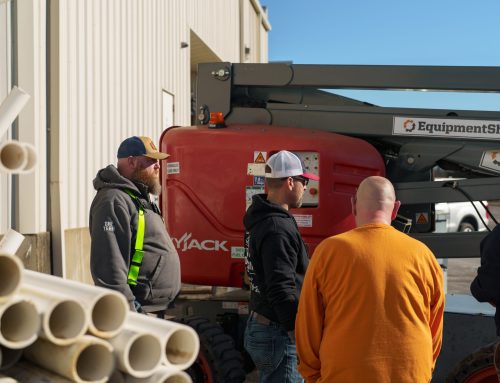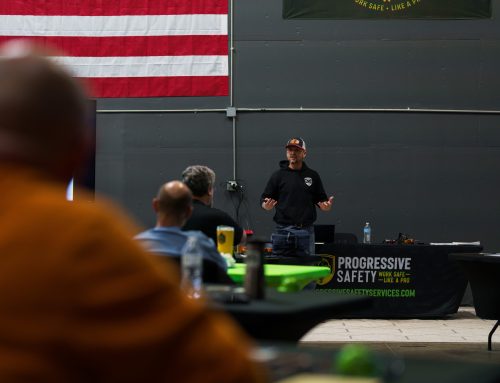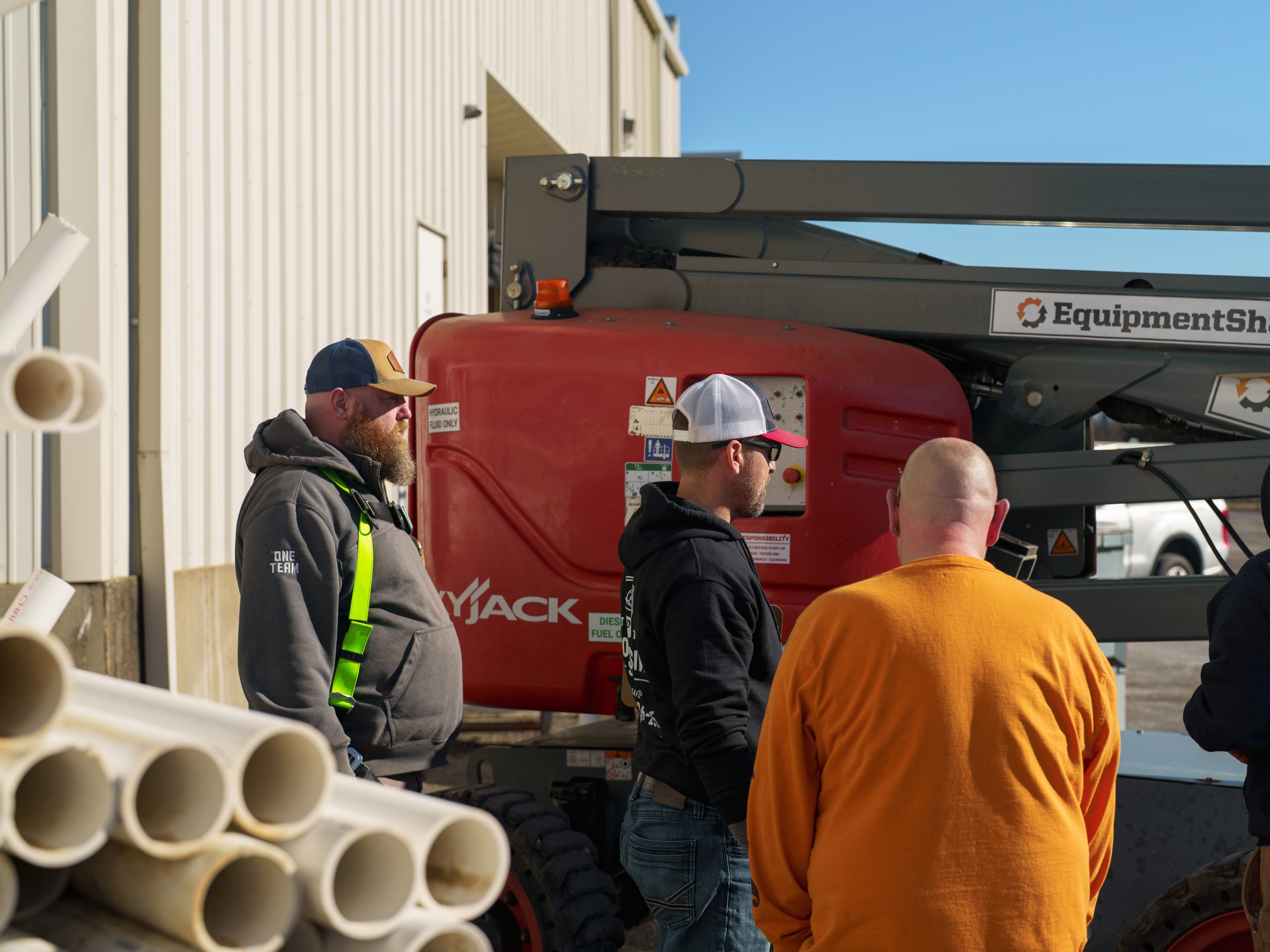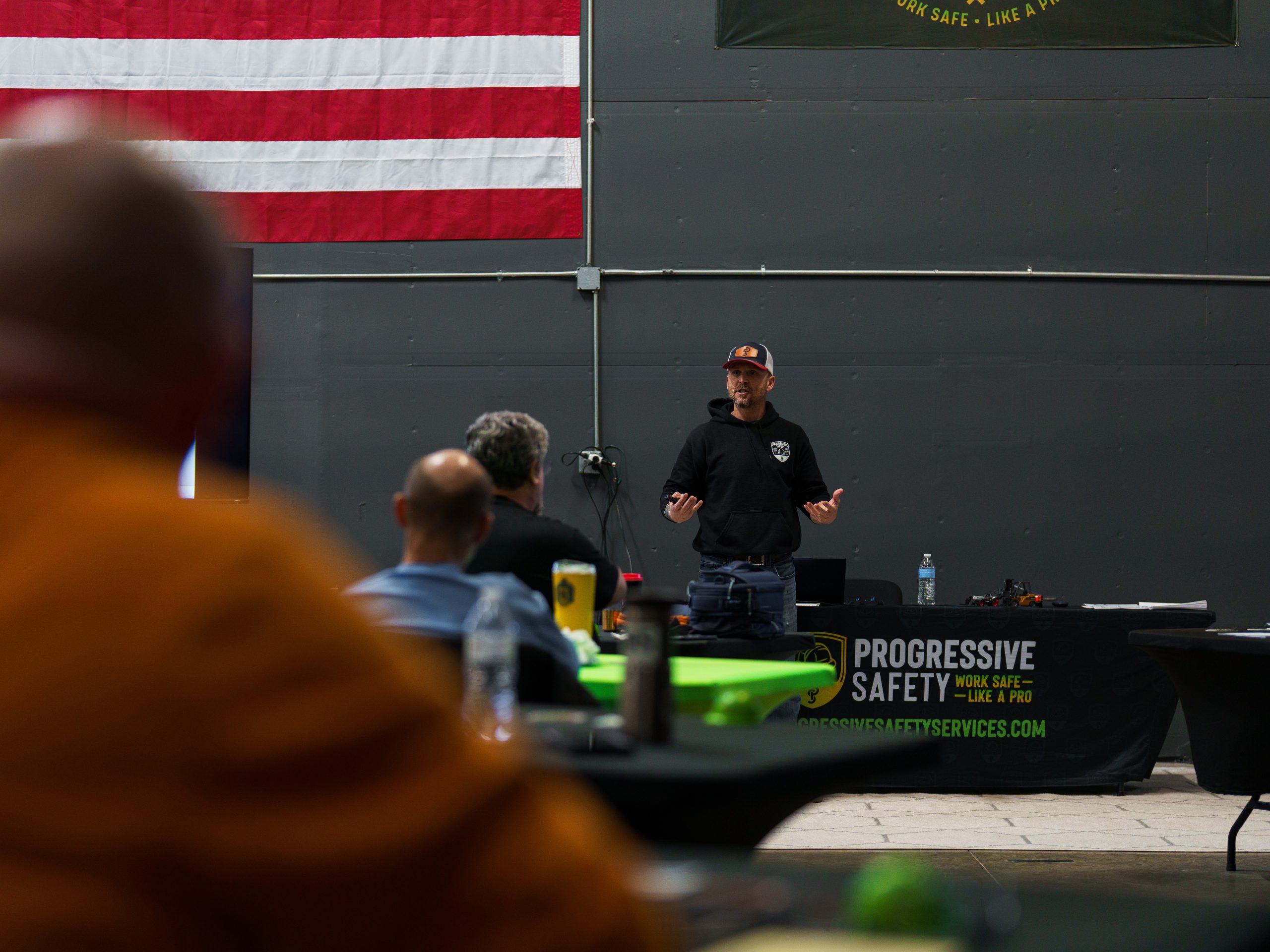

High-risk industries such as construction, manufacturing, oil and gas, infrastructure development, and heavy engineering require strict safety oversight to prevent workplace accidents. Organizations operating in these environments face constant challenges including regulatory compliance, hazard identification, and worker safety monitoring. This is where on-site safety staffing solutions play a critical role in maintaining safe and compliant operations.
Companies that implement structured safety workforce strategies often experience fewer incidents, improved employee confidence, and stronger regulatory compliance outcomes. By integrating professional on-site safety personnel into project environments, businesses can reduce risk exposure and strengthen operational continuity.
Many organizations partner with experienced providers such as Progressive Safety to support complex safety management requirements. These structured safety staffing services help ensure high-risk projects maintain consistent safety oversight from project start to completion.
Understanding On-Site Safety Staffing Solutions
Modern industrial environments involve complex safety challenges that require trained professionals to monitor and manage workplace hazards. On-site safety staffing solutions provide businesses with qualified safety specialists who work directly within project sites to support safety compliance and risk prevention initiatives.
On-site staffing ensures that safety procedures are consistently implemented across daily operations. These professionals work closely with project managers, supervisors, and workers to maintain safe working conditions and reduce the likelihood of accidents or operational disruptions.
Core Functions of On-Site Safety Personnel
On-site safety personnel monitor daily operations, conduct hazard assessments, enforce safety policies, and provide worker safety training. They help ensure regulatory compliance while identifying potential risks before incidents occur. Their presence supports proactive safety management, improving communication between management teams and field workers to maintain consistent workplace safety standards.
How Safety Staffing Services Integrate into Project Operations
Safety staffing services integrate into projects by aligning with company safety protocols and regulatory standards. These professionals collaborate with project teams to conduct inspections, review safety documentation, and coordinate emergency response procedures. Their integration allows businesses to maintain continuous safety monitoring without disrupting operational productivity or project timelines.
- Pre-Project Planning and Risk Assessment: Safety staff are involved early to conduct hazard assessments, create site-specific safety plans, and define safety objectives that align with project goals.
- Operational Integration (Boots on the Ground): They work directly with project teams to enforce safety protocols, conduct daily inspections, manage permits, and lead toolbox talks.
- Scalable Coverage: Safety personnel can be added or removed based on project phases, such as increasing staffing during high-risk activities like demolition or crane operations and reducing them during finishing phases.
- Regulatory Compliance and Documentation: S
- Staffing agencies ensure personnel are certified (e.g., OSHA, NEBOSH, CSP), helping businesses find an Osha certified safety professional Near me, while maintaining necessary documentation to pass audits and prevent legal or financial liabilities.
- Rapid Deployment for Turnarounds: Specialized safety professionals can be mobilized within 24 to 72 hours for critical, time-sensitive projects, such as plant shutdowns or emergency repairs.
Why High-Risk Projects Require Workplace Safety Staffing
High-risk environments present multiple hazards including heavy machinery, hazardous materials, confined spaces, and high-elevation work zones. Without structured workplace safety staffing, these environments may expose workers and organizations to serious safety and compliance risks.
Businesses operating high-risk projects must maintain strict safety documentation, compliance tracking, and incident prevention strategies. Integrating trained safety professionals ensures continuous monitoring and consistent safety policy enforcement across all operational areas.
Key Risk Factors in High-Risk Industries
High-risk industries often involve exposure to hazardous chemicals, heavy equipment operation, elevated work platforms, and high-voltage systems. These conditions increase accident probability if safety protocols are not strictly enforced. Professional safety staffing helps monitor these risks continuously, reducing incident rates and improving worker awareness across operational environments.
Primary Risk Categories
- Regulatory & Compliance Risk: Industries like healthcare, finance, and gambling face stringent, evolving legal standards, leading to high penalties for non-compliance.
- Financial Risk & Volatility: High-risk businesses often deal with elevated chargeback ratios, fraud, and limited banking options.
- Operational & Safety Risks: Manufacturing and heavy industries face risks from equipment failure,, supply chain interruptions, and workplace injuries.
- Cybersecurity & Data Risks: Increased digitization leads to higher risks of data breaches, operational disruption, and intellectual property theft.
- Market & Strategic Risks: Intense competition, fluctuating commodity prices, and rapid shifts in demand can threaten profitability.
Impact of Safety Staffing on Incident Reduction
Safety staffing helps reduce incidents by implementing structured safety audits, monitoring worker compliance, and identifying hazards early. These professionals help maintain safety culture within project teams, reinforcing safe working practices. Their presence supports real-time safety intervention, preventing small hazards from escalating into serious workplace accidents.
Key Benefits of Workplace Safety Staffing
- Continuous hazard monitoring
- Improved regulatory compliance tracking
- Stronger workplace safety culture
- Faster incident response and reporting
- Reduced project downtime due to safety incidents
Learn more about industry safety support at Progressive Safety.
Types of On-Site Safety Staffing Roles
Different projects require different safety expertise levels. Effective on-site safety staffing solutions include a range of specialized safety rules designed to support project-specific safety requirements.
Organizations often work with Progressive Safety to determine the correct staffing structure based on project scope and risk level. Selecting appropriate on-site safety personnel ensures projects receive targeted safety oversight.
Core Functions of On-Site Safety Staffing
- Risk Mitigation: Identifying and mitigating hazards through site inspections, PPE compliance checks, and safe work procedures.
- Regulatory Compliance: Ensuring adherence to OSHA and other relevant safety standards.
- Incident Response: Investigating accidents, reporting, and implementing corrective actions.
- Documentation: Maintaining safety logs, training records, and incident reports.
- Communication: Conducting daily toolbox talks and safety briefings.
Common Safety Staffing Positions
Common safety staffing roles include safety coordinators, safety managers, safety officers, and environmental health specialists. Each role supports specific safety functions such as compliance monitoring, worker training, and incident investigation. Selecting the correct staffing structure ensures safety responsibilities are clearly defined and effectively implemented across projects.
How Safety Roles Support Project Efficiency
Defined safety roles improve efficiency by distributing safety responsibilities across trained professionals. This reduces management workload while improving safety documentation accuracy. Clear safety role structures allow faster hazard identification and quicker corrective action implementation, helping projects maintain productivity while meeting safety and compliance requirements.
Regulatory Compliance and Safety Staffing Services
Compliance requirements continue to evolve across industries. Professional safety staffing services help businesses stay updated with regulatory changes while maintaining strong safety documentation and reporting systems.
Companies working with Progressive Safety often benefit from structured compliance planning that supports regulatory readiness and workplace safety documentation accuracy.
Key services offered include:
- Safety & Compliance Staffing: Provision of safety officers, compliance managers, and auditors to monitor workplace safety.
- Statutory Compliance Services: Handling labor law compliance, including payroll management, statutory deductions, and reporting for contractual employees.
- Regulatory Advisory & Licensing: Assisting with licenses, certifications, and approvals from government bodies (e.g., PCB, AERB).
- Training & Audits: Conducting employee safety training, hazard identification, and compliance audits.
Role of Safety Staffing in Compliance Audits
Safety professionals prepare compliance documentation, conduct internal audits, and coordinate external inspections. Their involvement ensures safety records remain accurate and accessible during regulatory reviews. This helps organizations reduce penalties and maintain operational certifications required for high-risk industry operations.
Documentation and Reporting Support
Safety staffing teams maintain incident reports, training records, safety inspection logs, and compliance checklists. Accurate documentation supports legal compliance and operational transparency. Structured reporting also helps organizations analyze safety trends and implement preventive safety strategies based on historical safety performance data.
Compliance Advantages of Safety Staffing
- Improved audit readiness
- Accurate compliance documentation
- Consistent regulatory monitoring
- Faster regulatory response times
- Reduced compliance violation risks
Cost Efficiency of On-Site Safety Staffing Solutions
While some organizations view safety staffing as an additional cost, many experience long-term cost savings through reduced incident-related expenses and improved operational efficiency.
Implementing on-site safety staffing solutions helps reduce accident-related costs including insurance claims, project delays, equipment damage, and legal liabilities.
Key Cost Efficiency Drivers
- Reduction in Overhead: Using contract safety staff removes expenses related to payroll taxes, health insurance, retirement benefits, and paid time off.
- Variable Cost Structure: Companies pay for on-site staff only when needed, avoiding expenses during downtime or between projects.
- Lower Administrative Costs: Ministrative hours for recruiting, onboarding, and training are reduced by nearly 40% when companies partner with a professional safety staffing solution
- Risk Mitigation and Insurance Savings: Active, professional safety oversight reduces accidents, directly lowers worker’s compensation premiums and avoids costly OSHA fines.
- Improved Productivity: Specialized safety staff ensure compliance and smooth operations, reducing project delays and rework.
- Scalability: Safety personnel can be quickly adjusted to match the intensity of the project, allowing for rapid scaling up or down.
Cost Reduction Through Incident Prevention
Preventing workplace accidents reduces direct and indirect operational costs. Safety staffing helps reduce medical expenses, equipment repair costs, and project delays. Incident prevention strategies also help reduce insurance premiums and legal liabilities associated with workplace injuries.
Long-Term Operational Value
Safety staffing supports long-term operational value by strengthening workforce safety training and compliance awareness. Consistent safety oversight helps maintain stable productivity levels and reduces unexpected downtime. Organizations benefit from predictable project timelines and reduce operational disruptions.

How Progressive Safety Supports High-Risk Projects
Progressive Safety provides structured workplace safety staffing designed to support complex industrial and construction environments. Their safety staffing programs help organizations implement proactive safety strategies tailored to project requirements.
Many organizations partner with Progressive Safety to improve safety monitoring, compliance planning, and workforce safety training across project phases.
Industry-Specific Safety Staffing Approach
Industry-specific safety staffing involves understanding unique hazard risks, regulatory requirements, and operational workflows. Customized staffing plans help ensure safety professionals align with project risk levels and safety expectations. Tailored safety staffing helps improve effectiveness and safety program adoption.
Supporting Safety Culture Development
Safety staffing professionals help build a strong safety culture by reinforcing safe work behaviors and providing continuous safety training. Their presence supports consistent communication between workers and management, improving safety awareness, and encouraging proactive hazard reporting.
Choosing the Right Safety Staffing Provider
Selecting a reliable provider for safety staffing services requires evaluating experience, industry expertise, compliance knowledge, and staffing flexibility.
Organizations reviewing safety partners often consider providers such as Progressive Safety based on safety program structure and workforce training standards.
Important Provider Evaluation Factors
Key provider evaluation factors include safety training certifications, industry experience, compliance expertise, and response time. Businesses should also evaluate staffing scalability and safety technology integration capabilities. Selecting qualified providers helps ensure consistent safety of program performance.
Questions to Ask Safety Staffing Providers
Businesses should ask about staff qualifications, regulatory compliance experience, incident response protocols, and training programs. Understanding staffing deployment timelines and reporting procedures also helps businesses select reliable safety staffing partners.
Future Trends in Workplace Safety Staffing
Workplace safety continues to evolve with digital safety monitoring systems, predictive risk analytics, and remote safety reporting technologies. These innovations are expected to enhance on-site safety staffing solutions in the future.
Technology Integration in Safety Staffing: Safety staffing professionals increasingly use digital safety reporting tools and mobile inspection platforms. These technologies improve hazard reporting speed and data accuracy. Technology integration helps organizations maintain real-time safety visibility across multiple project sites.
Data-Driven Safety Management: Data-driven safety management uses incident data, hazard reports, and safety audit outcomes to improve safety strategies. Safety staffing teams use data analytics to identify recurring hazards and improve preventive safety planning across operational environments.
Conclusion
High-risk projects require consistent safety monitoring, structured compliance management, and trained safety professionals to reduce workplace hazards. Implementing on-site safety staffing solutions helps businesses maintain regulatory compliance, protect workers, and improve operational efficiency.
Organizations working with Progressive Safety often gain access to trained safety professionals who help support proactive workplace safety management. Investing in structured safety staffing helps create safer work environments and supports long-term operational success.
For more information or safety consultation, visit the contact us page to connect with safety professionals who can support your project safety needs.
Frequently Asked Questions
1. What are on-site safety staffing solutions?
On-site safety staffing solutions provide trained safety professionals who work directly at project sites to monitor hazards, support compliance, and maintain workplace safety standards.
2. Which industries need safety staffing services?
Industries including construction, oil and gas, manufacturing, infrastructure, and heavy engineering commonly require professional safety staffing.
3. How do on-site safety personnel improve workplace safety?
They conduct inspections, enforce safety policies, monitor hazards, and provide worker safety training to prevent workplace incidents.
4. Are workplace safety staffing services cost-effective?
Yes, they often reduce accident costs, legal risks, and project downtime, providing long-term operational savings.
5. How can businesses start using safety staffing services?
Businesses can evaluate safety requirements and contact professional providers through the contact us page to discuss staffing options.