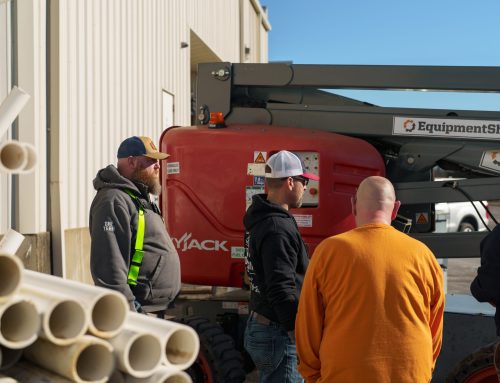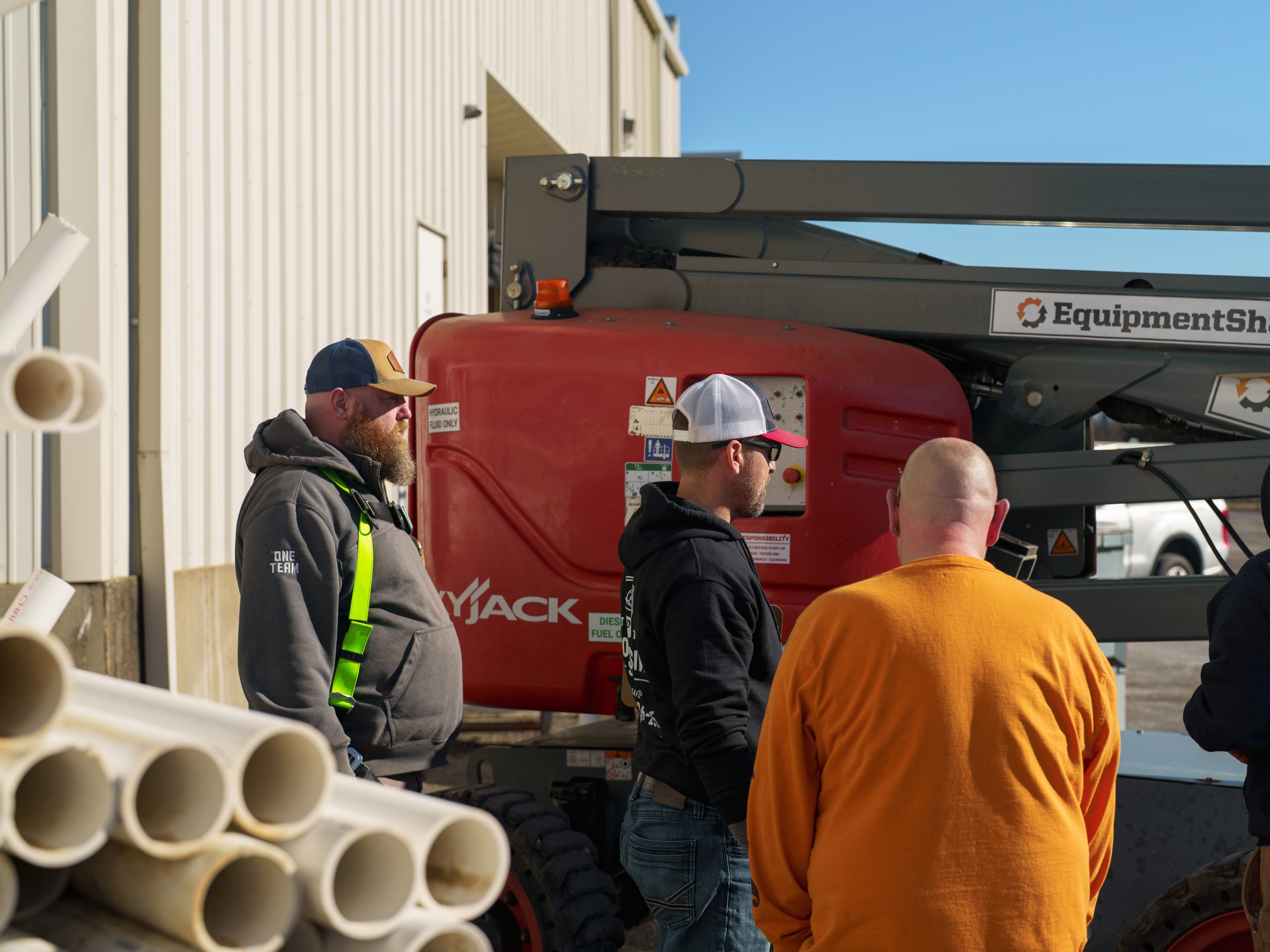
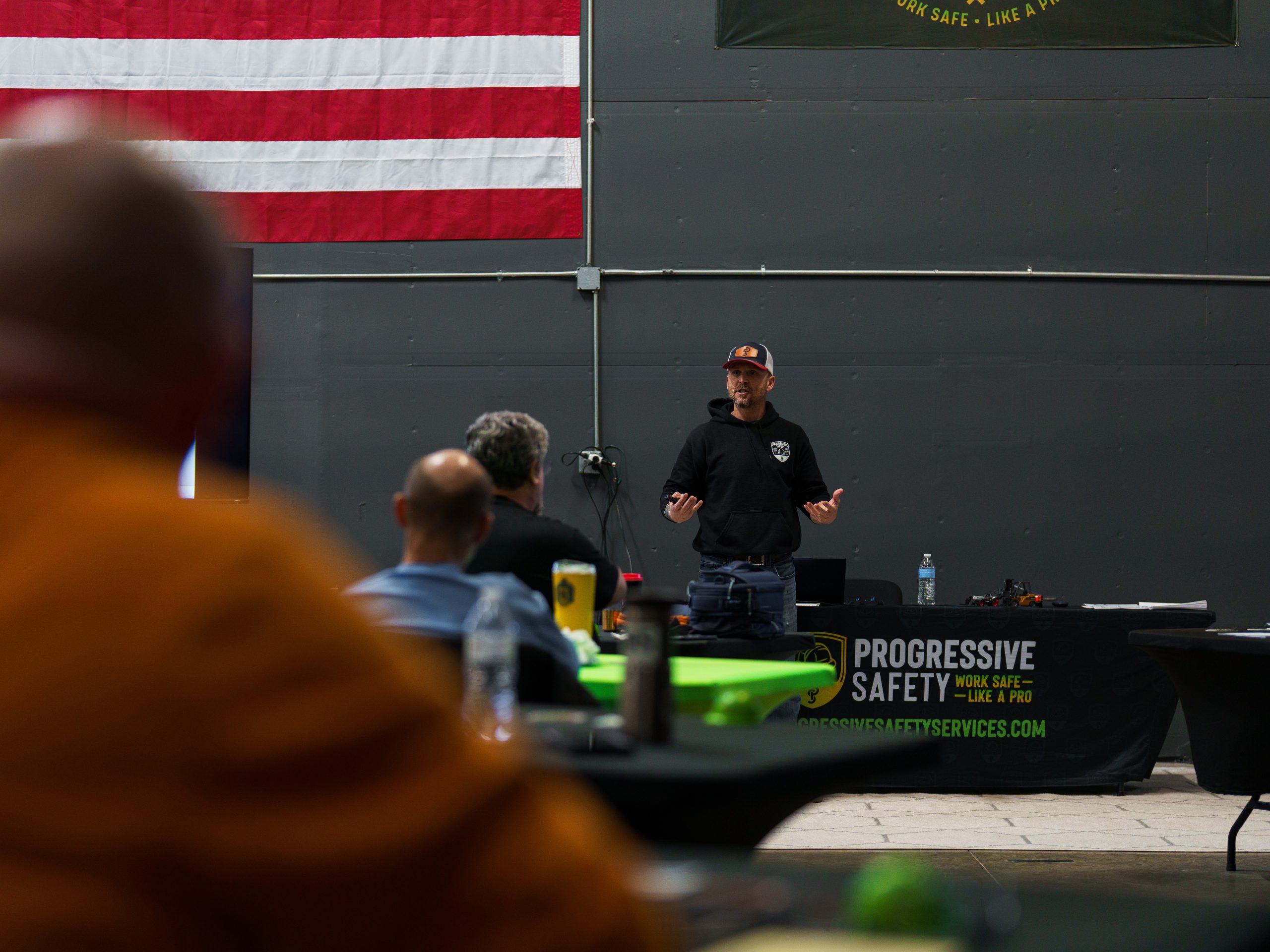
Maintaining safe job-site behavior remains one of the most persistent challenges in construction, manufacturing, and industrial environments. Written policies and classroom-based instruction are important, but they often fail to translate into consistent real-world behavior. This gap between knowledge and action is where hands-on safety training proves its value.
Hands-on learning places workers directly into realistic scenarios where they can practice correct procedures, recognize hazards, and understand consequences before incidents occur. For organizations focused on long-term safety culture rather than short-term compliance, understanding the benefits of hands-on safety training is essential.
Companies like Progressive Safety work with employers across multiple industries to support structured safety programs that go beyond theory and encourage safer decision-making on active job sites.
Understanding Hands-On Safety Training
Hands-on safety training involves interactive, scenario-based instruction that allows workers to physically perform tasks, identify hazards, and respond to risks under guided supervision. Rather than passively receiving information, participants actively engage in the learning process.
This approach commonly includes:
- Simulated job-site scenarios
- Equipment demonstrations
- Practical hazard identification exercises
- Supervised task execution
- Immediate corrective feedback
Unlike traditional classroom training, hands-on learning mirrors the conditions workers face daily, helping them connect safety principles to real tasks.
Why Job-Site Behavior Is Hard to Change
Unsafe behavior rarely stems from lack of concern. More often, it results from habits, time pressure, unclear expectations, or overconfidence developed through routine repetition. Job-site environments change constantly, introducing new risks that cannot always be addressed through written procedures alone.
Behavioral challenges include:
- Workers relying on shortcuts
- Misjudging hazards due to familiarity
- Inconsistent enforcement across crews
- Communication gaps between supervisors and workers
Hands-on training directly addresses these challenges by reinforcing correct behavior through repetition and experience rather than instruction alone.
The Benefits of Hands-On Safety Training for Workers
The benefits of hands-on safety training extend beyond improved compliance. When workers actively participate in learning, they gain practical skills that influence daily behavior and long-term attitudes toward safety.
Improved Hazard Recognition: Practical exercises train workers to spot hazards they might otherwise overlook. When individuals practice identifying risks in simulated environments, they become more alert on real job sites.
Better Retention of Safety Procedures: Studies consistently show that people retain information longer when they physically perform tasks. Hands-on training reinforces memory by combining visual, physical, and cognitive learning.
Increased Confidence in Safe Practices: Workers who practice tasks under supervision feel more confident applying procedures independently. This confidence reduces hesitation and errors when working under pressure.
Stronger Accountability: When employees actively participate in training, safety becomes a shared responsibility rather than a top-down rule. This shift improves peer accountability and encourages safer behavior across crews.
How Hands-On Training Influences Job-Site Behavior
Hands-on training impacts behavior by shaping how workers think and act in real time. Instead of reacting after incidents occur, workers learn to anticipate risks and adjust behavior proactively.
Reinforcing Muscle Memory: Repeated physical practice builds muscle memory, allowing workers to perform safety steps automatically even during high-stress situations.
Connecting Actions to Consequences: Scenario-based exercises demonstrate how small mistakes can escalate into serious incidents. Seeing consequences firsthand reinforces the importance of correct behavior.
Encouraging Open Communication: Interactive training creates opportunities for workers to ask questions, share experiences, and clarify expectations, strengthening overall safety communication.
Role of Safety Staffing in Hands-On Training Programs
Hands-on safety training is most effective when supported by experienced safety professionals who understand job-site realities. On-site safety staff help integrate training into daily operations rather than treating it as a one-time event.
Organizations offering structured on-site support, such as safety staffing solutions Kansas City employers rely on, play a key role in maintaining consistent safety behavior.
On-site safety professionals assist with:
- Conducting task-specific demonstrations
- Monitoring behavior during live operations
- Providing immediate corrective guidance
- Reinforcing training lessons during daily activities
Learn more about structured on-site support through dedicated on-site safety staffing solutions that help reinforce hands-on training outcomes throughout the project lifecycle.
Strengthen job-site behavior with hands-on safety training—reach out today to learn more!
Importance of Certified Safety Professionals
Working with a certified occupational safety specialist near me ensures that hands-on training aligns with regulatory requirements and industry best practices. Certified professionals bring formal expertise along with practical field experience.
Their involvement ensures that:
- Training reflects current standards
- Hazards are accurately assessed
- Workers receive consistent guidance
- Documentation supports compliance efforts
Certified safety professionals also adapt training to site-specific risks rather than applying generic solutions.
Comparing Hands-On Training and Traditional Safety Instruction
The table below highlights key differences between hands-on safety training and traditional classroom-based approaches.
| Aspect | Hands-On Safety Training | Traditional Safety Training |
|---|---|---|
| Learning Style | Interactive and experiential | Lecture-based |
| Retention | High due to practical involvement | Often limited |
| Behavior Change | Strong influence on daily actions | Limited behavior transfer |
| Hazard Recognition | Practiced in realistic scenarios | Theoretical |
| Worker Engagement | High | Variable |
While classroom instruction remains useful for foundational knowledge, hands-on methods provide the behavioral reinforcement needed for lasting impact.
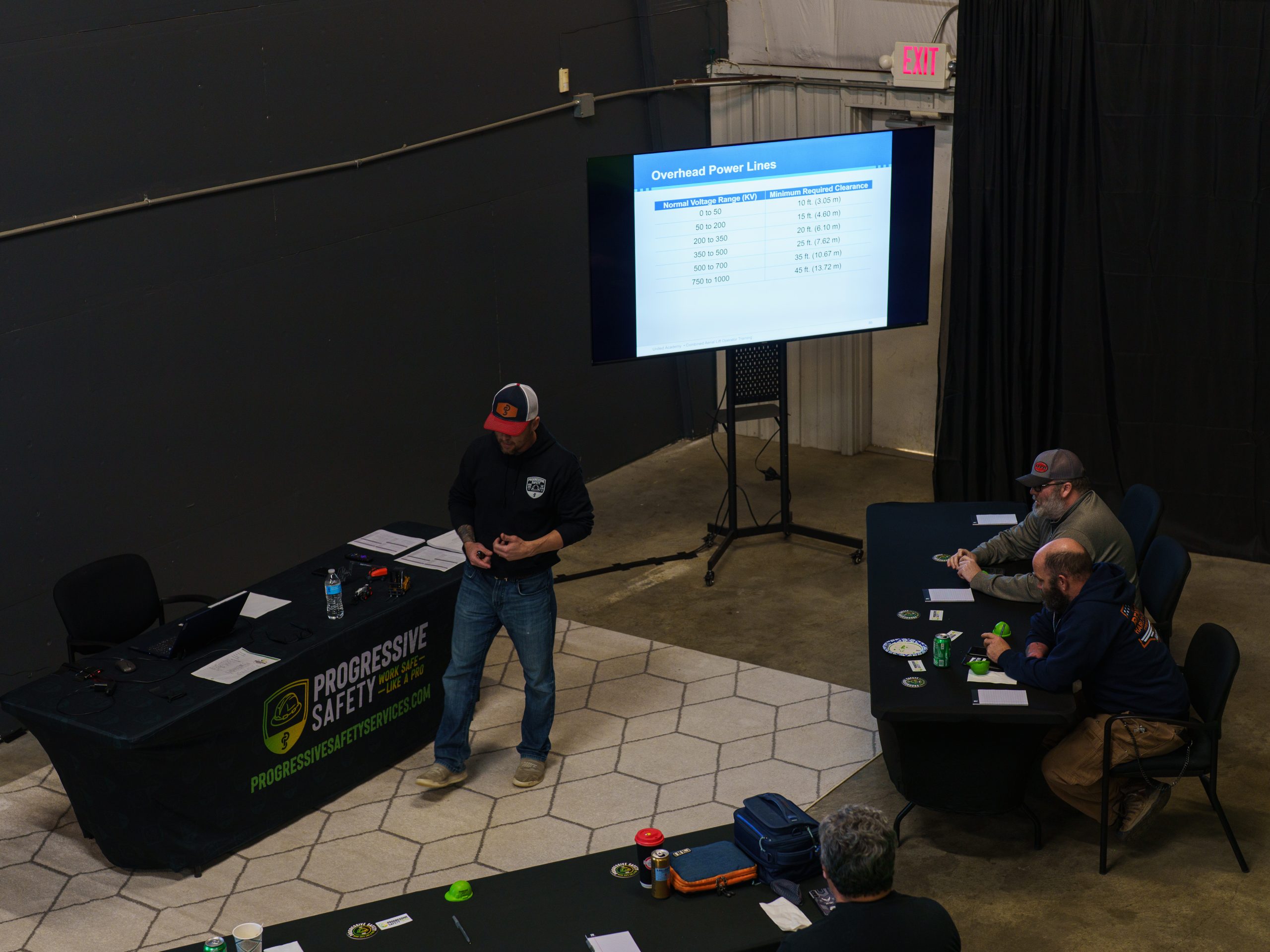
Hands-On Training Across Different Job-Site Environments
Hands-on safety training adapts well to a variety of industries and job-site conditions by aligning instruction with real-world tasks. The benefits of hands-on safety training become especially clear when workers can practice procedures in the same environments where risks exist. This approach improves engagement, strengthens retention, and helps employees apply safety practices confidently across shifting conditions, crews, and project scopes.
Construction Sites
Practical training addresses fall protection, equipment operation, trench safety, and material handling under realistic conditions. Workers learn how to identify hazards in active work zones, respond to changing site layouts, and use protective systems correctly. Hands-on exercises reinforce safe decision-making during high-risk tasks and help crews recognize unsafe behaviors before incidents occur.
Manufacturing Facilities
Hands-on sessions focus on machine guarding, lockout procedures, and ergonomic practices directly on the production floor. Employees practice shutdown sequences, verify energy isolation, and adjust workstations safely. This real-time learning reduces errors caused by routine or repetitive tasks and strengthens compliance with safety protocols during daily production activities.
Industrial Maintenance
Training emphasizes confined space entry, hot work, and hazard isolation through simulated maintenance tasks. Workers practice permit procedures, ventilation setup, and emergency response in controlled environments. These exercises prepare maintenance teams to manage unpredictable hazards, coordinate effectively, and maintain safety standards during complex repair and shutdown operations.
Integrating Hands-On Training Into Daily Operations
Effective safety programs embed hands-on learning into everyday routines rather than treating training as a separate activity.
Key integration strategies include:
- Toolbox talks with demonstrations
- Task-specific refreshers before high-risk work
- Observational coaching during operations
- Regular reinforcement by on-site safety staff
This continuous approach ensures that lessons learned during training remain relevant and actionable.
Supporting Long-Term Safety Culture
Hands-on safety training contributes to a stronger safety culture by encouraging shared ownership of safety outcomes. When workers feel involved in the learning process, they are more likely to support safety initiatives and look out for one another.
Organizations that prioritize practical learning often observe:
- Reduced incident rates
- Improved reporting of near misses
- More consistent rule adherence
- Greater trust between workers and management
Progressive Safety supports organizations seeking to strengthen safety culture through practical, field-based safety strategies tailored to real job-site conditions.
Compliance and Risk Management Benefits
While the primary goal of hands-on training is safer behavior, it also delivers measurable compliance and risk management advantages. The benefits of hands-on safety training extend beyond the job site by helping organizations align daily operations with OSHA standards and internal safety policies.
Hands-on programs help organizations:
- Demonstrate due diligence through documented training practices
- Identify hazards proactively before they escalate into incidents
- Reduce costly accidents, downtime, and workers’ compensation claims
- Improve audit readiness by reinforcing consistent, compliant behaviors
When supported by experienced safety staffing Kansas City organizations trust, hands-on training becomes part of a broader risk control strategy. It strengthens accountability, supports regulatory inspections, and promotes a culture where compliance is practiced—not just documented.
Conclusion
Hands-on safety training improves job-site behavior by bridging the gap between knowledge and action. Through practical exercises, real-world scenarios, and ongoing reinforcement, workers develop habits that support safer decisions under pressure.
The benefits of hands-on safety training include better hazard recognition, stronger retention, increased accountability, and long-term cultural improvement. When combined with experienced on-site safety professionals and structured staffing support, hands-on training becomes a powerful tool for reducing risk and improving outcomes.
Organizations looking to strengthen their safety programs can benefit from working with experienced providers like Progressive Safety. To learn more about implementing practical safety strategies or to discuss site-specific needs, contact us through the official contact page and explore how hands-on training can support safer job-site behavior.
Frequently Asked Questions
1. What makes hands-on safety training more effective than classroom training?
Hands-on safety training allows workers to practice real tasks, which improves retention and helps translate safety knowledge into daily behavior more effectively than lecture-based instruction.
2. How often should hands-on safety training be conducted?
Hands-on training should be ongoing, with refreshers provided before high-risk tasks, during project changes, or when new equipment or processes are introduced.
3. Can hands-on training help reduce workplace incidents?
Yes, hands-on training improves hazard recognition and reinforces correct behavior, which can lead to fewer incidents and near misses over time.
4. Who should lead hands-on safety training sessions?
Training is most effective when led by experienced professionals, such as a certified occupational safety specialist near me, who understand both regulatory requirements and job-site realities.
5. How does safety staffing support hands-on training programs?
Safety staffing solutions Kansas City employers rely on providing on-site professionals who reinforce training daily, observe behavior, and offer real-time guidance to maintain safety standards.